
The core process of glass production relies on the high-temperature melting operation of the furnace. The extremely high-temperature environment maintained inside the furnace for extended periods subjects the refractory materials used for the lining to continuous and severe stress. This stress arises not only from the thermal effects of the high temperature itself but is compounded by the complex influences of multiple media, such as molten glass and furnace atmosphere, making refractories a critical weak point in ensuring production continuity. Fused cast AZS blocks, as key refractory materials in the modern glass industry, play an indispensable role in the operation of glass furnaces. With the ongoing development of glass manufacturing technology towards higher efficiency, energy savings, and environmental protection, fused cast AZS blocks, due to their excellent corrosion resistance, high thermal stability, and dense structure, have become one of the core materials that guarantee long-term, stable furnace operation and improve glass quality. This article will begin by examining the material characteristics of fused cast AZS blocks, systematically elaborating on their application scenarios in glass furnaces, technical advantages, and their profound impact on production efficiency. The aim is to provide a reference and guidance for glass furnace design and production practices.
1. Challenges Faced by Glass Furnaces
2. Fundamentals and Manufacturing of Fused Cast AZS Blocks
3. Applications of Fused Cast AZS Blocks in Glass Furnaces
4. Comparison of Fused Cast AZS Blocks vs. Traditional Refractory Bricks
5. Application Cases of Fused Cast AZS Blocks in the Glass Industry
6. Future Trends for Fused Cast AZS Blocks
7. Conclusion
1. Challenges Faced by Glass Furnaces
During operation, glass furnaces face several critical challenges, mainly concentrated in four aspects.
First is chemical corrosion: at high temperatures, molten glass exhibits strong chemical activity and reacts with refractory materials, gradually eroding the lining structure.
Second is thermal shock damage: temperature fluctuations during production generate thermal stresses within refractory materials; under repeated cycles, this often leads to cracking and spalling.
Third is slag buildup: volatile components and batch materials condense in relatively low-temperature zones of the furnace, forming slag that adheres to the lining surface. This not only reduces heat transfer efficiency but also intensifies localized corrosion.
Fourth is mechanical wear: continuous scouring from molten glass flow and material impact during charging processes causes ongoing mechanical degradation of refractory materials.
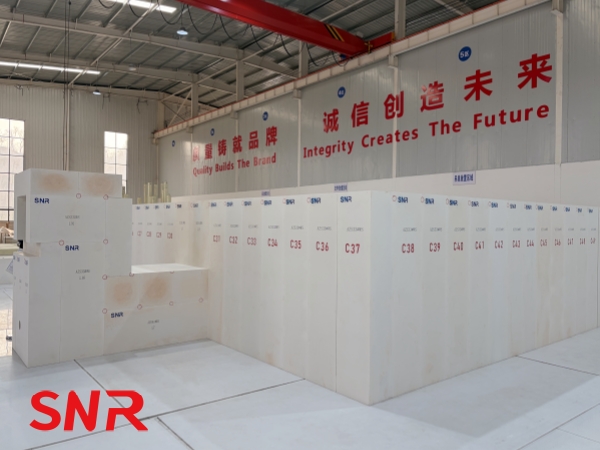
From a structural perspective, different furnace zones exhibit varying degrees of vulnerability due to differences in operating conditions. The furnace bottom, which is in direct contact with high-temperature molten glass, endures severe chemical attack, penetration, and flow erosion, making it one of the most damage-prone areas. The crown and upper structures are subjected to long-term self-weight loading and intense thermal radiation, while also suffering from vapor corrosion and slag deposition; temperature fluctuations easily induce thermal stress cracking. Although the tank bottom is not directly exposed to material impact, it is prone to localized corrosion and thermal stress concentration, and slag accumulation can disrupt normal glass flow. The throat and forehearth channels, due to high-velocity glass flow and frequent scouring, experience severe wear and corrosion; slag formation in these areas can easily cause blockages, directly affecting production continuity.
Under these harsh conditions, Traditional refractory materials increasingly struggle to meet the modern glass industry's demands for stability and high product quality. As a high-performance specialty refractory, fused cast AZS blocks, with their excellent high-temperature resistance, corrosion resistance, and thermal shock resistance, can be precisely matched to the operating requirements of various vulnerable furnace zones. They have thus become a key material for extending furnace service life, ensuring stable operation, and improving glass quality, with their application value in high-temperature glass production becoming ever more prominent.
2. Fundamentals and Manufacturing of Fused Cast AZS Blocks
2.1 Material Composition
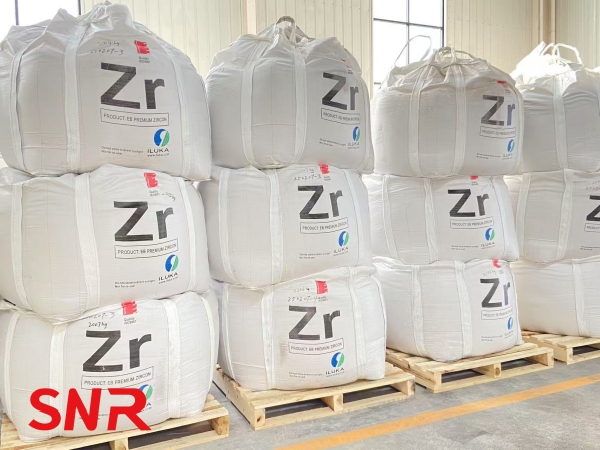
The core material composition of fused cast AZS blocks primarily consists of high-purity oxides, with silica (SiO₂) and alumina (Al₂O₃) being the most fundamental and critical components. The selection of these high-purity oxide raw materials is the basic prerequisite for ensuring the superior performance of fused cast AZS blocks. Besides the base components, small amounts of other special oxides may be added to optimize specific properties according to the needs of different furnace conditions, such as enhancing erosion resistance or improving thermal stability.
.png)
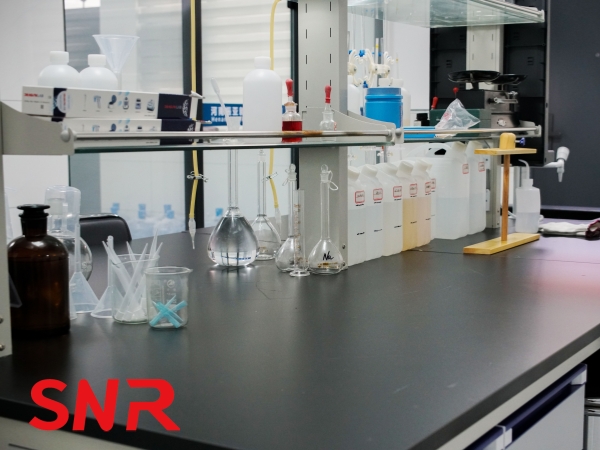
Impurity control is a central point in the material composition design of fused cast AZS blocks, as it has a direct and critical impact on the contamination of molten glass. Glass products, especially specialty glass and optical glass, have extremely high purity requirements. If fused cast AZS blocks contain excessive impurities, these impurities can volatilize or dissolve into the molten glass under high-temperature operation, forming defects such as bubbles, stones, and cords, severely affecting glass product quality. Therefore, during the production of fused cast AZS blocks, raw materials must undergo strict purification processes to control impurity content to very low levels, ensuring they do not contaminate the molten glass during service.
2.2 Manufacturing Process
The core manufacturing process for fused cast AZS blocks is fusion casting, which mainly includes three key steps: melting, high-temperature melting, and rapid cooling. Melting uses electrodes to generate an arc, releasing substantial heat to completely melt the high-purity raw materials in a high-temperature environment. High-temperature melting ensures thorough reaction and uniform mixing of the raw materials, eliminating pores and defects. Rapid cooling involves quickly solidifying the molten material. This process refines the crystalline structure, enhancing the density and strength of the brick while avoiding issues like coarse grains and a porous structure that can result from slow cooling.
Fused cast AZS blocks produced through this process possess a dense structure and excellent crystalline characteristics. The dense structure results in very low internal porosity, effectively blocking the penetration of corrosive media like molten glass and furnace atmosphere, thereby improving erosion resistance at its root. The specific crystalline structure grants fused cast AZS blocks outstanding high-temperature resistance and thermal stability, allowing them to maintain structural stability under extreme temperatures and temperature fluctuations.
.jpg)
With the development of glass furnace technology, the manufacturing process of fused cast AZS blocks is also continuously optimized. Customizing brick shapes according to furnace location is an important technological upgrade direction. Different parts of the furnace have varying structural shapes, stress conditions, and operational characteristics, making generic brick shapes difficult to adapt perfectly. Through customized design, specific brick shapes like wedges, arches, and special profiles can be produced for different areas such as the bottom, crown, and throat. This not only improves the fit between the brick and the furnace structure, reducing installation gaps, but also optimizes the stress state of the brick, further enhancing its service life and operational stability.
2.3 Physical and Chemical Properties
High-temperature resistance is one of the core physical properties of fused cast AZS blocks. They can operate stably for long periods under the extremely high temperatures required for glass furnace operation without softening or deforming. This property stems from their high-melting-point raw material composition and dense crystalline structure, enabling them to withstand sustained high temperatures and provide a stable internal environment for glass melting.
Thermal shock stability is a key performance attribute for fused cast AZS blocks in handling furnace temperature fluctuations. During glass production, furnace temperatures inevitably fluctuate, generating thermal stress within refractories. Due to their low thermal expansion coefficient, fused cast AZS blocks experience minimal volume change with temperature variation. This effectively mitigates the generation and accumulation of thermal stress, reducing the likelihood of cracking, spalling, and other thermal shock damage, thereby ensuring the structural integrity of the furnace lining.
Chemical corrosion resistance is a core advantage of fused cast AZS blocks in adapting to the harsh chemical environment of glass furnaces. At high temperatures, molten glass, furnace vapors, and volatiles are chemically aggressive and prone to react with refractories. The high-purity composition and dense structure of fused cast AZS blocks enable them to effectively resist attack from these corrosive media, reducing chemical wear, extending service life, and avoiding glass melt contamination caused by material erosion.
Excellent mechanical strength ensures that fused cast AZS blocks can withstand various mechanical actions. During furnace operation, fused cast AZS blocks must endure their own weight, the erosive flow of molten glass, and the impact from batch charging. Their high mechanical strength ensures the bricks do not break or fracture under these loads, maintaining the structural stability of the furnace lining.

3. Applications of Fused Cast AZS Blocks in Glass Furnaces
3.1 Furnace Bottom Area
The furnace bottom area is one of the most severe environments in a glass furnace, facing multiple serious challenges. First is the strong erosion from molten glass. High-temperature glass melt continuously soaks and flows over the bottom, leading to ongoing chemical reactions and mechanical wear with the lining material. Second is mechanical abrasion. In addition to glass flow erosion, the impact from falling batch materials during charging causes direct mechanical damage. Furthermore, furnace temperature fluctuations generate thermal stress in the bottom lining, causing thermal shock damage and further increasing the risk of bottom deterioration.
Fused cast AZS blocks provide precise solutions for the challenges in the furnace bottom area. Their high chemical stability effectively resists the chemical attack of molten glass, reducing material loss. The low thermal expansion coefficient provides excellent thermal shock stability, adapting to temperature fluctuations and preventing thermal shock cracking. The high-density brick structure enhances its resistance to mechanical wear, withstanding glass flow erosion and batch impact. These three properties work synergistically to fundamentally improve the bottom lining's resistance to damage, ensuring the structural stability of the furnace bottom.
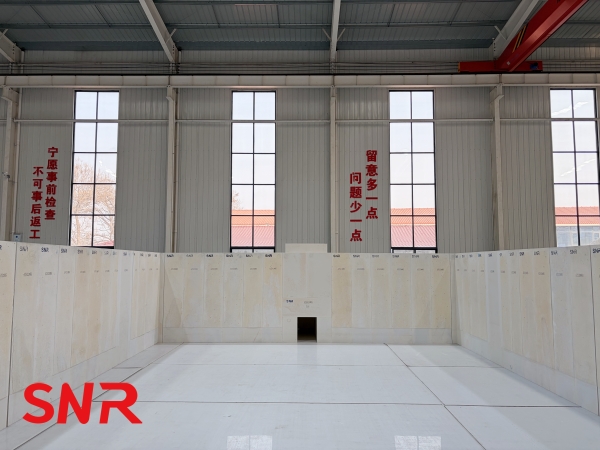
During the installation of fused cast AZS blocks in the furnace bottom, using whole blocks or modular installation is a key technique. Whole-block installation reduces joints between bricks, lowering the risk of glass penetration. Modular installation facilitates construction and later localized repair and replacement. Simultaneously, the gaps between bricks must be strictly controlled during installation, filled with specialized refractory mortar to ensure sealing and flatness, further enhancing the overall stability and service life of the furnace bottom.
3.2 Crown and Superstructure
The operating conditions of the crown and superstructure are also complex, presenting multiple challenges. First is vapor corrosion. Water vapor and other volatiles inside the furnace form corrosive gases that continuously attack the crown and upper lining. Second is the slagging problem. Furnace volatiles condense in relatively cooler areas like the crown and superstructure, forming slag deposits that adhere to the lining surface. This not only affects heat transfer efficiency within the furnace but can also react with the lining material, accelerating erosion. Third is the effect of thermal stress. During temperature fluctuations, the crown and superstructure experience significant thermal stress due to uneven heating, posing risks of cracking and collapse over the long term.
The application of fused cast AZS blocks in the crown and superstructure effectively addresses these issues. Their excellent thermal shock resistance allows them to adapt to thermal stress caused by temperature fluctuations, preventing lining cracks. Good chemical stability resists vapor corrosion, reducing material loss. Additionally, the smooth surface and strong chemical inertness of fused cast AZS blocks make them less prone to reacting with furnace volatiles, reducing slag buildup. Even if minor slag forms, it is easier to clean, thereby improving furnace operational stability.
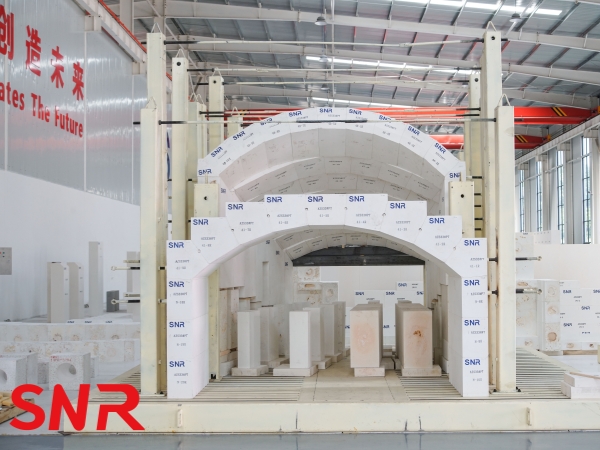
Technically, the crown and superstructure utilize fused cast AZS blocks in wedge shapes or as assembly modules. Wedge-shaped bricks perfectly fit the arched structure of the crown, forming a stable arch support through mutual compression between bricks, enhancing the load-bearing capacity of the overall structure. Assembly modules allow for the customization of fused cast AZS block modules with different properties according to the varying conditions of different crown areas, achieving precise adaptation. This also facilitates construction and later maintenance, further ensuring the long-term stable operation of the crown and superstructure.
3.3 Melter Bottom Area
Although the melter bottom area does not directly suffer from batch impact, it still faces several problems. First is localized erosion. The flow of molten glass on the bottom is not completely uniform, easily forming eddies in local areas, leading to more intense erosion of the lining in those spots. Second is concentrated thermal stress. Temperature differences exist across the bottom, especially in areas near burners or the throat, where larger temperature gradients can lead to concentrated thermal stress, causing lining cracks. Third is the effect of slagging on flow. Slag buildup on the melter bottom alters the flow pattern of the glass melt, leading to inhomogeneous mixing and affecting product quality. Furthermore, the bonding of slag to the lining can exacerbate localized erosion.
The application of fused cast AZS blocks in the melter bottom area effectively tackles these challenges. Their excellent chemical corrosion resistance withstands localized erosion from the glass melt, reducing material loss. Good thermal shock stability alleviates damage from concentrated thermal stress, preventing lining cracks. Additionally, the smooth surface of fused cast AZS blocks resists slag adhesion; even if minor slag forms, it does not bond strongly to the brick, facilitating cleaning. This improves the fluidity of the molten glass and ensures compositional homogeneity.
Technically, the melter bottom employs zoned installation combined with a pulse bubbling system. Zoned installation involves selecting fused cast AZS blocks with different properties for different areas of the bottom based on their specific conditions, achieving precise adaptation. For example, bricks with higher erosion resistance are used in areas that are severely eroded. The pulse bubbling system injects gas into the bottom, stirring the molten glass to promote uniform mixing, reduce local temperature differences, and prevent slag accumulation. Working synergistically with fused cast AZS blocks, this further enhances the operational stability of the melter bottom and the quality of the glass melt.
3.4 Throat and Channels
The throat and channels are critical pathways for molten glass exiting the furnace, facing extremely severe operating conditions. First is high wear. Molten glass flows through the throat and channels at relatively high speeds, causing intense erosive scouring of the lining, resulting in significant mechanical wear. Second is strong erosion. Although the residence time of high-temperature molten glass in the channels is short, the high flow velocity leads to high local shear forces, making chemical erosion more intense. Third is slagging and blockage. Furnace volatiles easily condense and form slag on the channel walls of the throat and channels. As slag accumulates, it gradually reduces the channel cross-section and can even cause complete blockage, directly impacting production schedules.
The application of fused cast AZS blocks in the throat and channels provides precise solutions to these problems. Their high wear resistance effectively withstands the erosive flow of molten glass, reducing mechanical loss. Excellent chemical stability resists the strong erosion from the glass melt, extending the lining life. Furthermore, the smooth surface and strong chemical inertness of fused cast AZS blocks resist slag adhesion, preventing channel blockages and ensuring smooth glass flow.
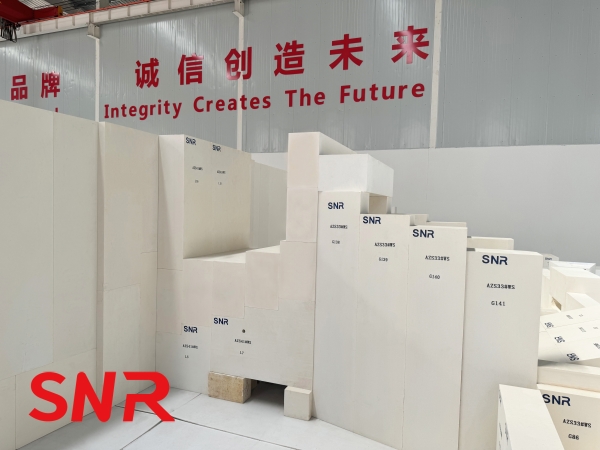
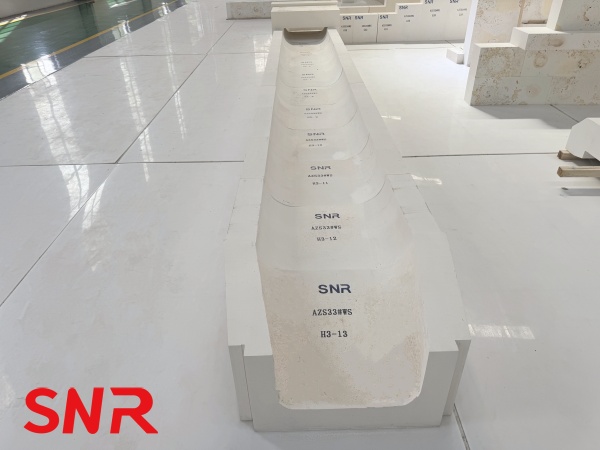
In terms of installation design, the throat and channels use a replaceable modular fused cast AZS block structure. Due to the severe wear and erosion in this area, lining degradation is relatively rapid. The replaceable module design facilitates later maintenance and replacement without requiring large-scale furnace shutdowns for major repairs, minimizing downtime losses. Additionally, connections between modules employ designs with good sealing performance to prevent glass leakage, ensuring production safety and stability.
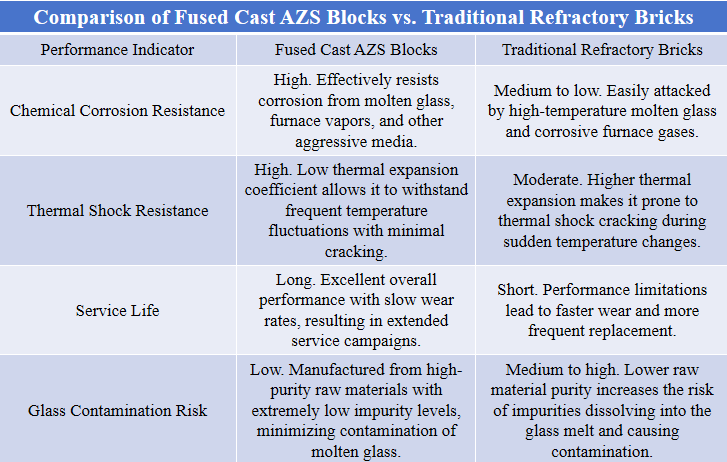
4. Comparison of Fused Cast AZS Blocks vs. Traditional Refractory Bricks
4.1 Material Composition and Purity
Fused cast AZS blocks are manufactured from high-purity raw materials, primarily silicon dioxide (SiO₂) and aluminum oxide (Al₂O₃), with very low impurity content. The careful selection and purification of raw materials ensure minimal contamination of molten glass during high-temperature operation. Additional specialized oxides can be incorporated to further enhance specific properties such as corrosion resistance or thermal stability, depending on the furnace zone and operating conditions.
Traditional refractory bricks, however, often rely on natural raw materials or partially processed components, which typically contain higher levels of impurities such as alkali metals, iron, and other trace elements. These impurities can volatilize, dissolve, or react with molten glass under high temperatures, causing bubbles, stones, streaks, or other defects in the final product. As a result, traditional refractory bricks may be unsuitable for high-purity glass applications, including optical, pharmaceutical, or specialty glass.
4.2 Physical and Thermal Properties
Fused cast AZS blocks exhibit extremely high density, low porosity, and a uniform microstructure, providing excellent thermal conductivity, mechanical strength, and resistance to wear and erosion. Their low thermal expansion coefficient gives outstanding thermal shock resistance, allowing them to withstand rapid temperature fluctuations without cracking or deformation.
In contrast, traditional refractory bricks generally have higher porosity and lower density, which reduces their mechanical strength and makes them more susceptible to thermal shock. Under fluctuating temperature conditions, traditional refractory bricks are prone to microcracking, spalling, and dimensional instability. These defects not only compromise furnace structural integrity but may also lead to contamination of the glass melt.
4.3 Chemical Resistance
Fused cast AZS blocks are highly chemically inert, resistant to attack from molten glass, furnace vapors, and volatile compounds. Their dense structure limits penetration of corrosive agents, reducing material loss and preventing contamination of the glass melt. This makes them particularly suitable for areas exposed to high-flow, high-temperature molten glass, such as the furnace bottom, forehearth channels, and outlet zones.
Traditional refractories, especially those of lower purity, are more prone to chemical attack. Corrosion from molten glass or volatile compounds can erode the lining over time, decreasing service life and potentially introducing impurities into the glass, which is critical in specialty or high-quality glass production.
4.4 Thermal Shock and Mechanical Strength
The low thermal expansion and homogeneous structure of fused cast AZS blocks make them highly resistant to thermal shock. Even under frequent heating and cooling cycles, they maintain structural integrity without spalling or cracking. Their high mechanical strength also allows them to withstand scouring by molten glass and impact from batch materials during charging.
Traditional refractory bricks, with higher porosity and uneven microstructure, are more vulnerable to thermal shock and mechanical stresses. Repeated heating and cooling can cause cracks, spalling, or deformation, compromising the furnace lining and increasing maintenance requirements.
4.5 Service Life, Maintenance, and Economic Considerations
Fused cast AZS blocks typically have a much longer service life than traditional refractory bricks, often doubling or tripling maintenance intervals in high-wear zones such as the furnace bottom, crown, and forehearth channels. This reduces downtime, maintenance labor, and overall production costs.
Although fused cast AZS blocks have a higher initial cost than traditional refractory bricks, their long-term economic benefits—reduced repair frequency, extended furnace life, higher product yield, and minimized contamination—make them cost-effective for modern high-temperature glass production. Traditional refractory bricks, while lower in upfront cost, often incur higher long-term expenses due to frequent replacement, production interruptions, and lower glass quality.
4.6 Summary
In conclusion, fused cast AZS blocks outperform traditional refractories in nearly every aspect: material purity, thermal stability, chemical resistance, mechanical strength, and service life. They are particularly suitable for critical furnace areas exposed to high temperatures, molten glass flow, and chemical attack. Traditional refractory bricks may still be used in less demanding zones, but for modern, high-efficiency, high-quality glass production, fused cast AZS blocks are the preferred and reliable choice.
5. Application Cases of Fused Cast AZS Blocks in the Glass Industry
5.1 Container Glass Production
In large-scale container glass production, the furnace bottom and throat are the core vulnerable parts, directly impacting production efficiency and product quality. Container glass production requires ensuring long-term continuous furnace operation; frequent shutdowns for maintenance significantly increase production costs. Fused cast AZS blocks are widely used in the bottom and throat areas in this field. Leveraging their high erosion and wear resistance, they effectively withstand the attack and scouring of molten glass. In practical applications, the service cycle of fused cast AZS blocks is substantially extended compared to traditional refractory bricks, significantly lengthening furnace overhaul intervals, reducing shutdown frequency, and lowering maintenance costs. Simultaneously, the high purity of fused cast AZS blocks avoids glass melt contamination, improves glass homogeneity, reduces defects like bubbles and stones in container glass products, and increases product yield.
5.2 Flat Glass Production
Flat glass production places extremely high demands on the optical homogeneity of glass. Slagging on the crown is a key factor affecting optical homogeneity. Crown slagging leads to uneven heat transfer within the furnace, affecting the melting homogeneity of the glass melt, ultimately causing optical defects in the flat glass. After applying fused cast AZS blocks to the crown area of flat glass furnaces, their smooth surface and chemically inert properties effectively reduced the accumulation of slag from furnace volatiles. Even when minor slag formed, it was easier to clean. This not only improved the uniformity of heat transfer within the furnace, ensuring stable glass melting, but also significantly enhanced the optical homogeneity of the flat glass, reduced optical defects, and elevated the product's high-end quality.
5.3 Specialty Glass Production
Specialty glasses like borosilicate glass and pharmaceutical glass have extremely stringent requirements for product purity and quality, allowing no trace impurity contamination in the glass melt. Traditional refractory bricks, due to lower raw material purity, tend to release impurities into the glass melt, making them unsuitable for specialty glass production. Fused cast AZS blocks, with their high-purity composition and excellent chemical stability, have found critical application in specialty glass production. In high-temperature furnaces for borosilicate glass production, fused cast AZS blocks resist the strong attack of high-boron glass melts without releasing impurities. In pharmaceutical glass production, the low-contamination characteristics of fused cast AZS blocks ensure glass purity, meeting the strict standards for pharmaceutical packaging materials. By using fused cast AZS blocks, the product purity in specialty glass production is greatly enhanced, and quality stability is significantly improved, providing reliable material assurance for the development of the specialty glass industry.
6. Future Trends for Fused Cast AZS Blocks
As the glass industry moves towards higher quality, efficiency, and green environmental protection, fused cast AZS blocks also show clear future development trends. High-purity custom bricks will become an important development direction. Different types of glass production have significantly varying operating conditions and, consequently, different performance requirements for fused cast AZS blocks. In the future, customized fused cast AZS blocks with higher purity and more targeted properties will be developed based on the specific needs of different glass products, achieving precise performance matching, further enhancing furnace operational stability and product quality.
Energy saving and environmental protection are core future trends for fused cast AZS blocks. On one hand, optimizing production processes will reduce energy consumption and carbon emissions during fused cast brick manufacturing. On the other hand, further improving the thermal insulation properties of fused cast AZS blocks will reduce heat loss during furnace operation, lowering the overall energy consumption of glass production, aligning with the concept of green manufacturing.
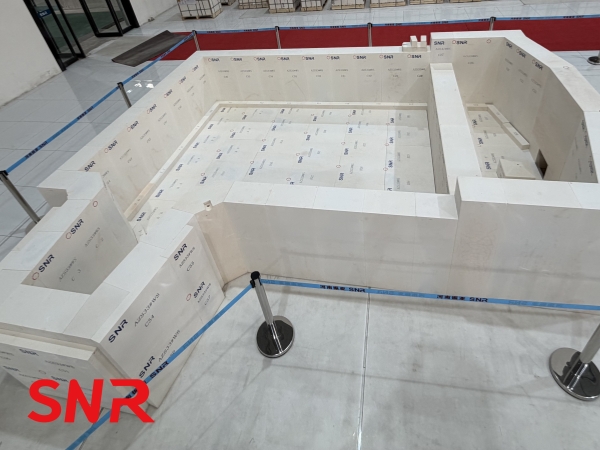
The integration and application of intelligent installation and real-time monitoring technologies will gradually become widespread. Intelligent installation technology can improve the precision and efficiency of fused cast brick installation, reduce gaps, and ensure the sealing and stability of the lining structure. Real-time monitoring technology involves embedding sensors within fused cast AZS blocks to monitor parameters like temperature, stress, and wear in real-time, providing early warnings for potential failures, enabling intelligent furnace maintenance, reducing unplanned downtime, and improving production efficiency.
New material research and development will provide new directions for breakthrough performance improvements in fused cast AZS blocks. The application of composite materials and nanotechnology holds promise for further optimizing fused cast AZS block properties. For example, composite material design could achieve synergistic enhancement of properties like erosion resistance, thermal shock resistance, and mechanical strength. The application of nanotechnology could refine the crystalline structure of fused cast AZS blocks, further increasing their density and performance stability, expanding their application range to even more extreme operating conditions.
In summary, fused cast AZS blocks play a critical role in glass furnace operation due to their excellent resistance to high temperature, chemical corrosion, and structural wear. Their application in key furnace areas-such as the furnace bottom, crown, melter bottom, and throat-effectively addresses the severe thermal, chemical, and mechanical stresses present in these zones. As a result, furnace campaign life can be significantly extended while glass melt stability and overall production reliability are improved.
From practical application experience, fused cast AZS blocks show strong adaptability across different glass types. In container glass furnaces, they support long-term continuous operation; in flat glass production, they contribute to improved melt homogeneity; and in specialty glass furnaces, they help maintain strict purity requirements. Compared with conventional refractory bricks, their performance advantages make them a core material choice for modern high-temperature glass furnaces.
.jpg)
Looking ahead, continued development in areas such as high-purity formulations, energy efficiency, environmental performance, and condition monitoring will further enhance the value of fused cast AZS blocks. For glass manufacturers, selecting high-quality fused cast AZS materials remains a practical and effective way to improve furnace reliability and operational stability. Based on extensive application experience, SNR fused cast AZS blocks are designed to meet the demands of critical furnace zones, helping glass producers achieve more stable and predictable furnace performance.
For inquiries related to fused cast AZS blocks and glass furnace applications, please contact:
Henan SNR Refractory Co., Ltd (SNR)
 WhatsApp: +86 188 3808 9557
Email: moon@snrefractory.com
